3D Product Visualization
1.5 years of commercial 3D visualization work for ERSA, a B2B/B2C furniture manufacturer. Created photorealistic product renders for catalogs, marketing campaigns, trade show materials, and customer-specific interior scenes — from initial modeling to final high-resolution output.
Role
Product Designer & 3D Visualization Artist
Team
3-person visualization team (collaborative catalog production)
Duration
1.5 years (Internship → Full-time)
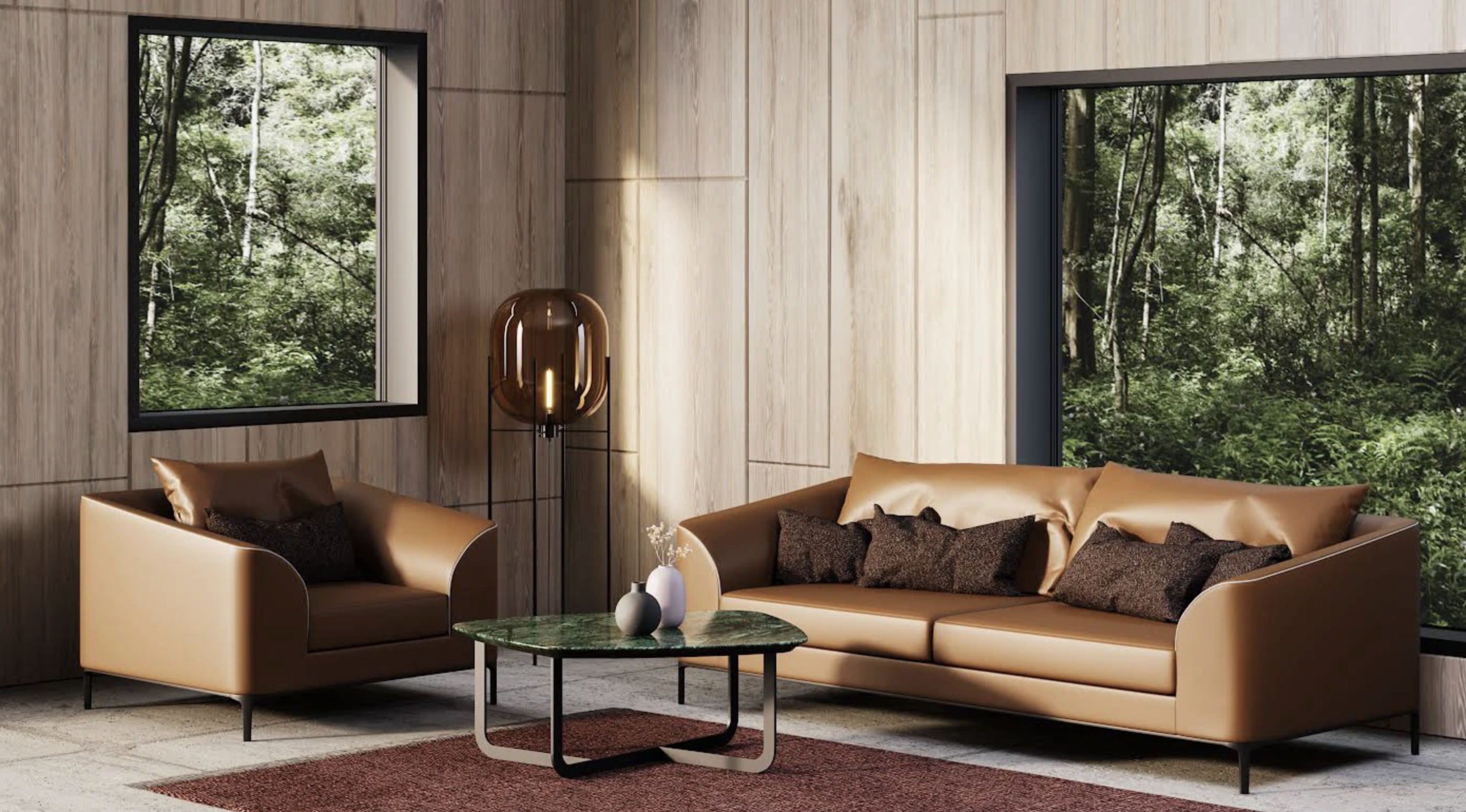
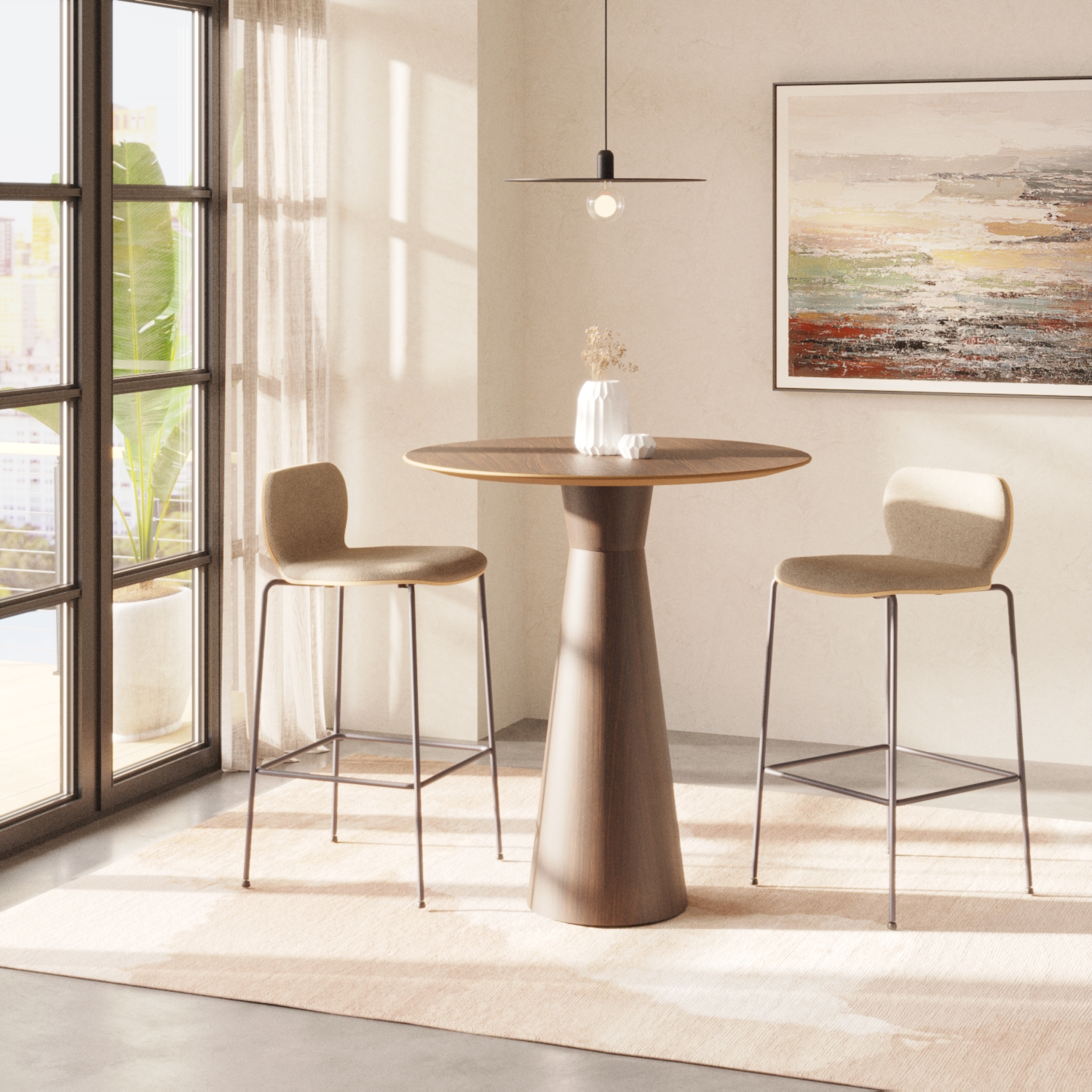
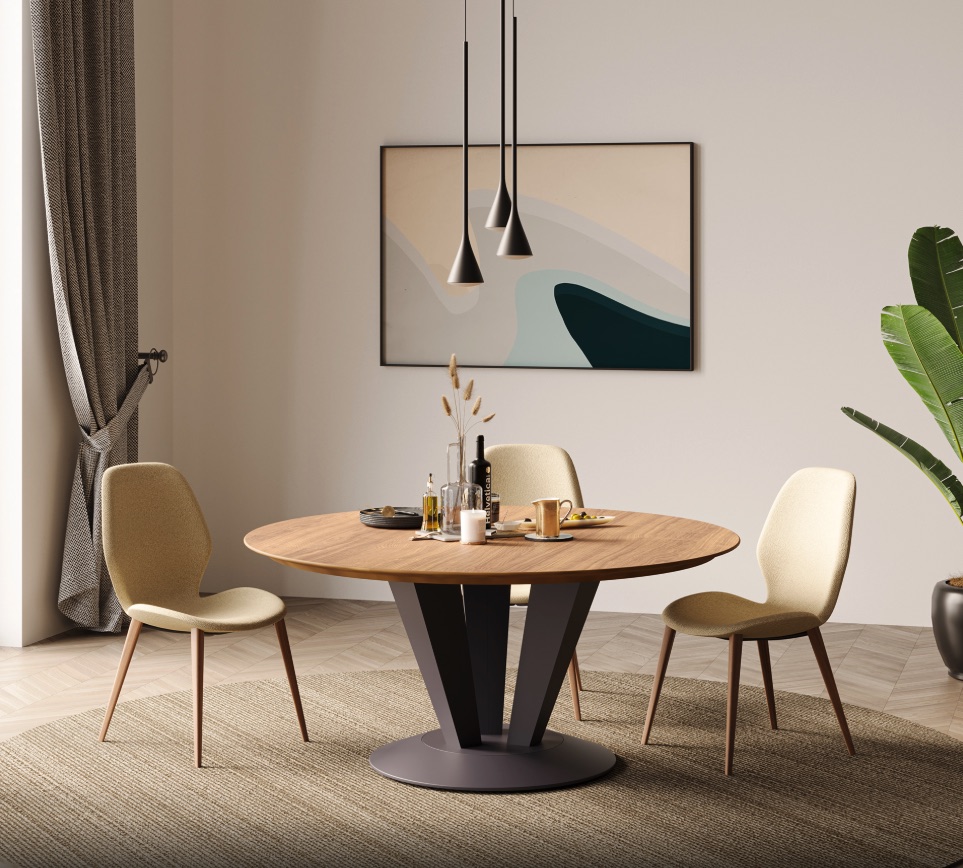
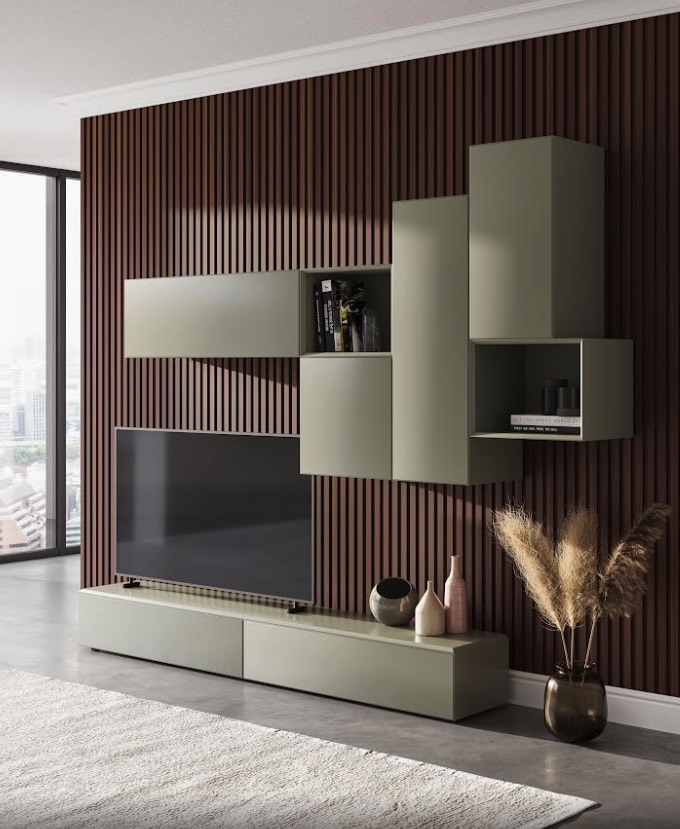
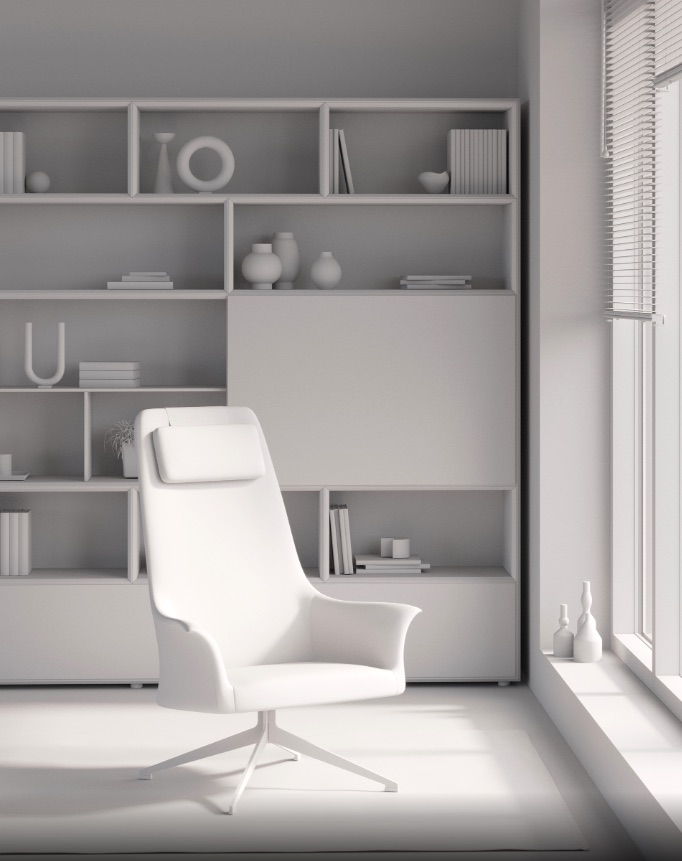
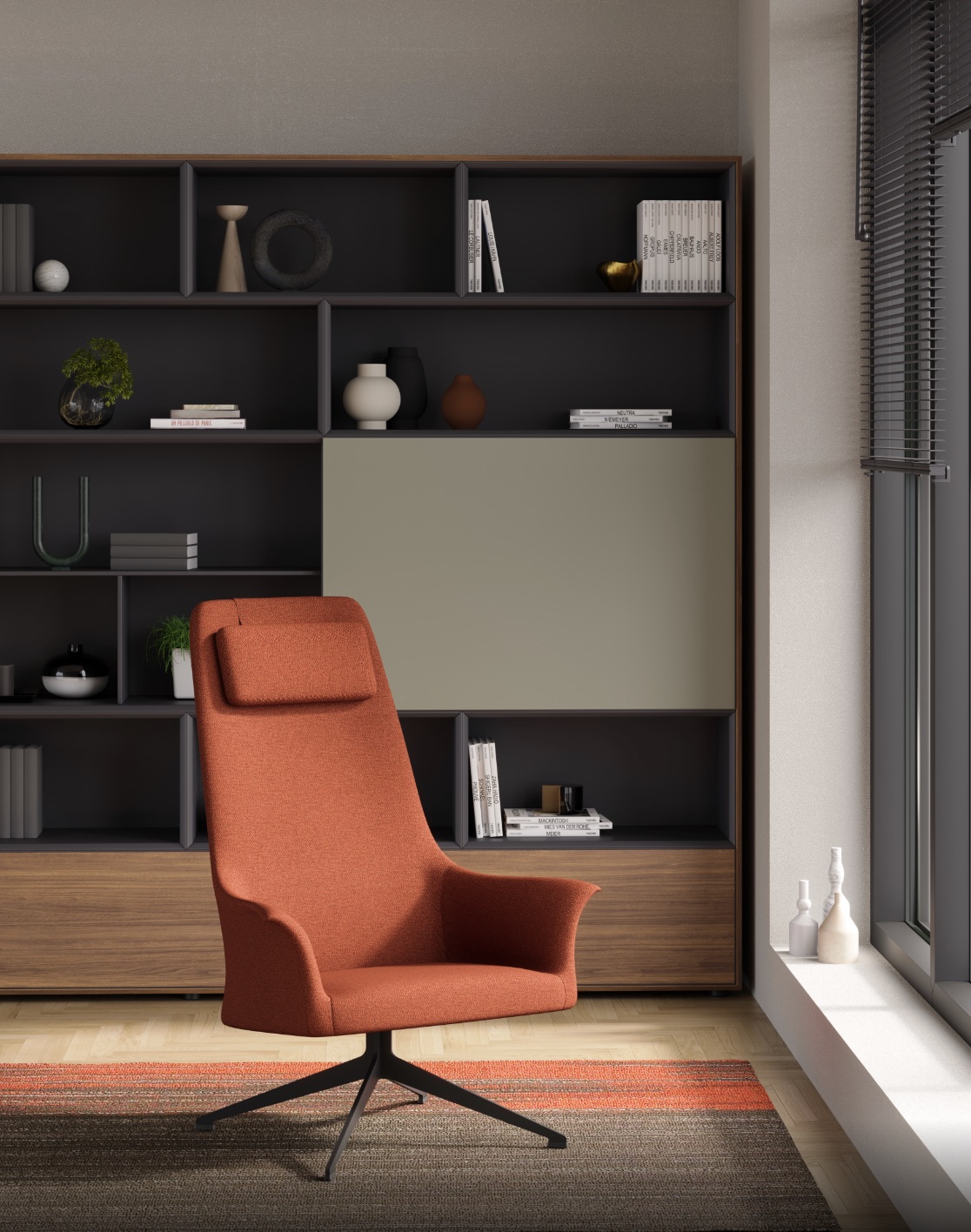
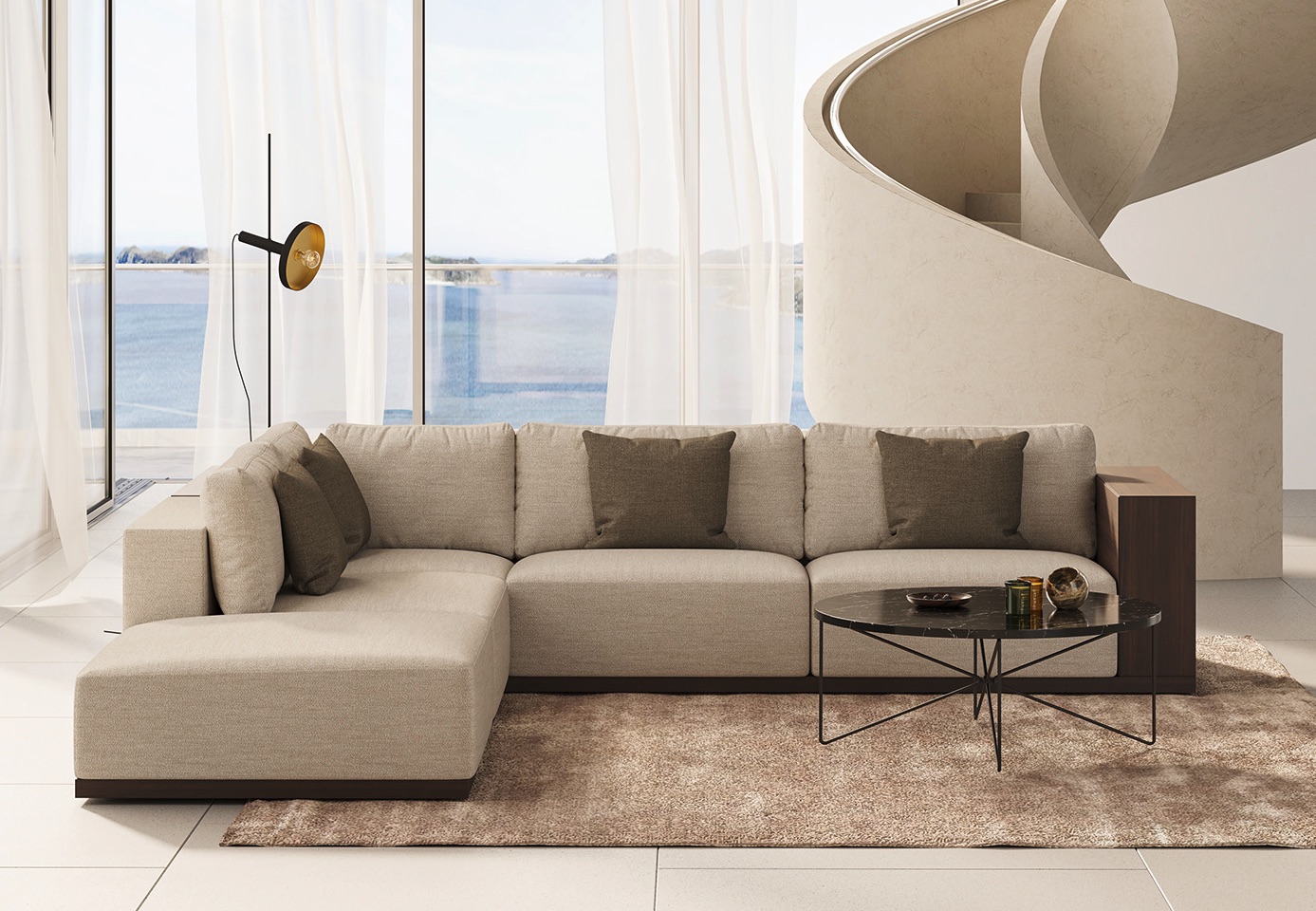
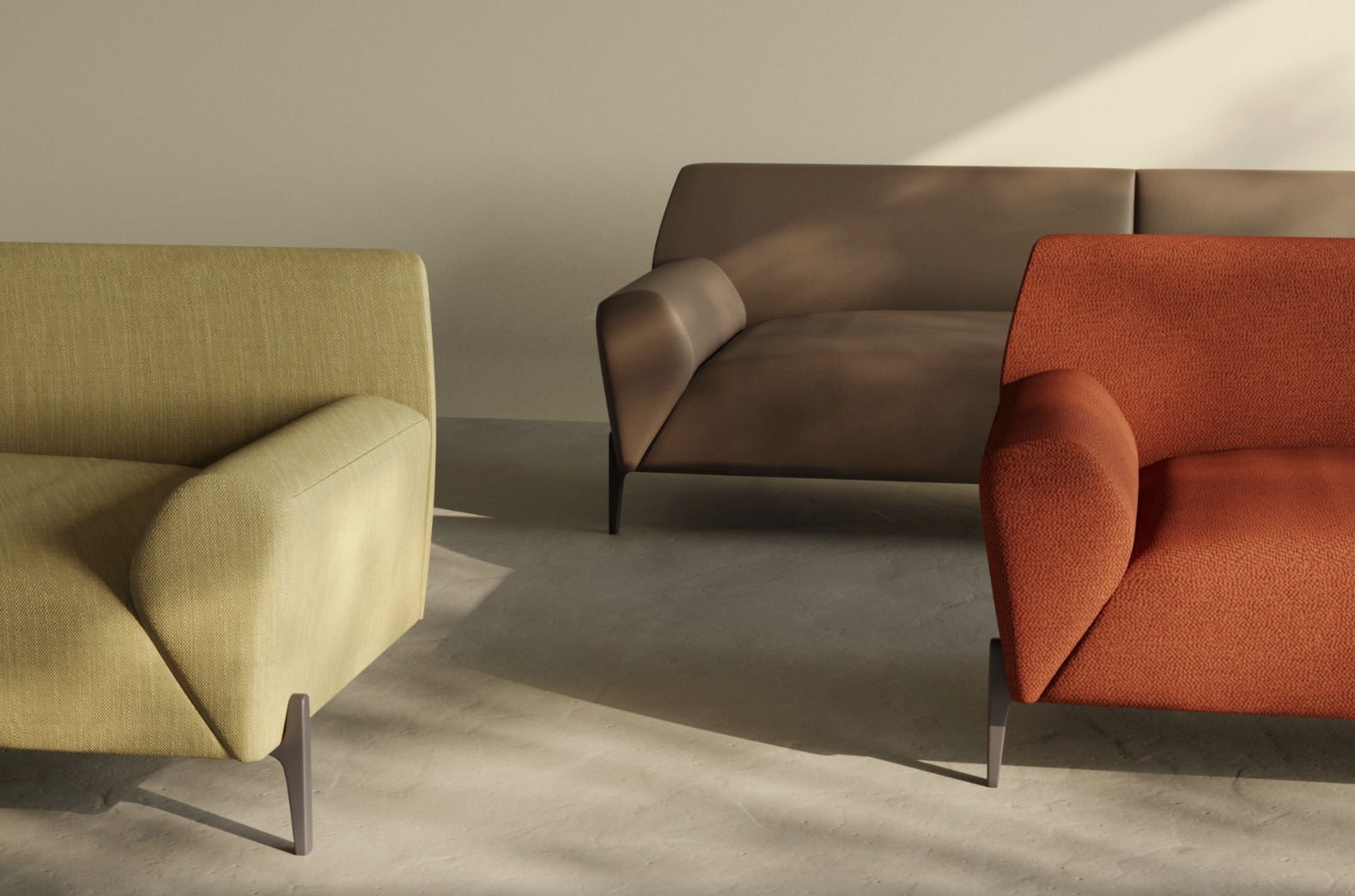
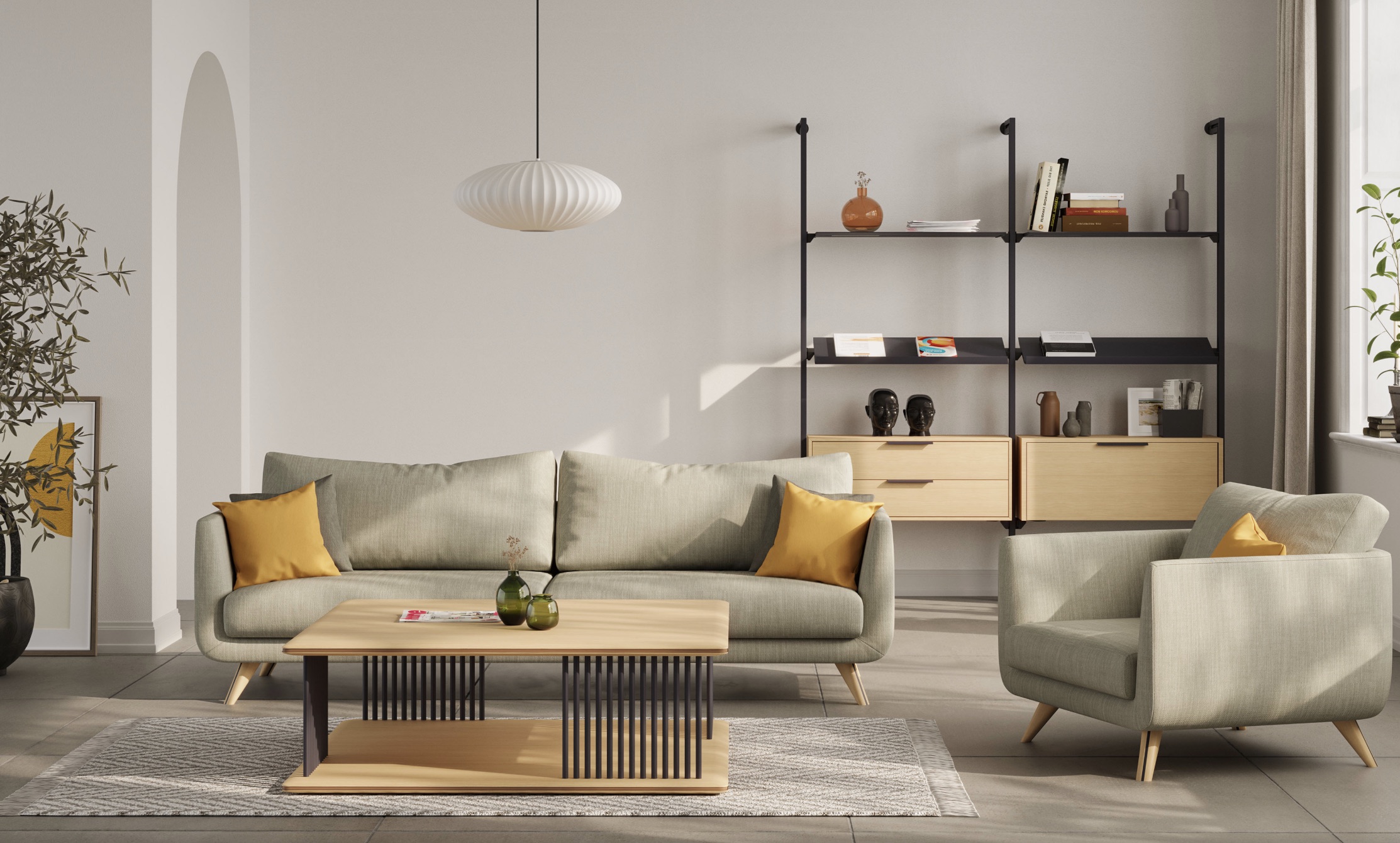
My responsibilities:
– 3D modeling of furniture products (tables, chairs, sofas, storage systems)
– Photorealistic rendering for catalogs and marketing materials
– CMF design (Color, Material, Finish specification)
– Custom interior scenes based on client spaces
– Trade show visualization and presentation materials
Project overview:
ERSA is a furniture design and manufacturing company serving both B2B and B2C markets, producing high-quality office furniture, residential pieces, and contract furnishings. As part of the visualization team, I was responsible for creating photorealistic 3D renders used across the company's commercial materials — from printed catalogs to digital marketing campaigns to trade show presentations. The work spanned product visualization (individual furniture pieces shot in studio-style lighting) and full interior scenes (contextual environments showing products in real-world settings). Every render had to meet commercial photography standards: accurate materials, believable lighting, and compositions that sell. This wasn't speculative or conceptual work — these images went directly to customers, sales teams, and print production.
Role & responsibilities:
I started as an intern and transitioned to full-time, eventually taking on end-to-end responsibility for product visualization. My role included 3D modeling from technical drawings or physical references, CMF (Color, Material, Finish) design to define fabric swatches, wood finishes, and metal treatments, lighting and composition for each shot, and rendering high-resolution outputs for print and digital use. I worked closely with product designers to ensure accuracy, with the marketing team to match brand guidelines, and with sales to create custom scenes for client presentations. For catalog production, I collaborated with two other designers — we worked in parallel on different product lines, with each catalog cycle taking approximately 6–7 months from initial modeling to final delivery.
Technical workflow & tools:
The workflow followed a standard production pipeline: modeling in 3ds Max, texturing and material setup using physically-based rendering (PBR) workflows, lighting with Corona or V-Ray render engines, and post-processing for final color grading and compositing. Modeling started from CAD files provided by engineering or from measurements of physical prototypes. Materials were calibrated to match physical samples — fabric weaves, leather grain, wood veneers, metal finishes — often requiring custom texture creation or procedural shaders. Lighting setups varied by use case: studio lighting for catalog product shots, natural daylight for interior scenes, and dramatic spotlighting for hero imagery. Each render was optimized for print resolution (300 DPI) while balancing render times, which could range from minutes for simple product shots to hours for complex interior scenes.
Technical challenges — soft surface modeling:
The most technically demanding aspect was modeling soft surfaces — particularly sofas, upholstered chairs, and cushions. Unlike hard-edged furniture (tables, cabinets, storage systems) which are geometrically straightforward, soft furnishings require believable fabric draping, cushion compression, and organic deformation. Achieving realism means understanding how fabric folds under gravity, how cushions compress at contact points, and how stitching creates subtle surface tension. I used a combination of cloth simulation, manual sculpting, and procedural displacement to capture these details. Each sofa design became more refined as I internalized the physics of soft materials — learning to read how real sofas behave and translate that into 3D geometry. This expertise became a key differentiator in my work, allowing me to take on the most complex product visualizations in the catalog.
Catalog production & marketing materials:
Catalog production was the core output: each catalog featured 50–100+ product renders across multiple furniture lines, requiring consistency in lighting, color grading, and compositional style. The process involved iterative review cycles with product designers and marketing, ensuring technical accuracy (dimensions, materials, hardware) and brand alignment (color palettes, mood, styling). Beyond catalogs, I created marketing imagery for digital campaigns, website hero images, social media content, and email newsletters. Each asset was optimized for its platform — web-resolution JPGs for fast loading, high-res TIFFs for print, and vertical crops for Instagram. The challenge was maintaining visual consistency across formats while adapting compositions to different aspect ratios and use cases.
Custom scenes & client-specific visualization:
In addition to catalog work, I created custom interior scenes for sales presentations and client proposals. When a client was considering ERSA furniture for their office or commercial space, the sales team would provide floor plans and photos — I'd then build a 3D scene matching their actual environment and populate it with proposed furniture configurations. This allowed clients to visualize products in their specific context before committing to purchase. These projects required fast turnaround (often 1–2 weeks), attention to architectural detail (matching wall colors, flooring, ceiling heights), and creative problem-solving to make the proposed furniture look integrated rather than inserted. The ability to deliver convincing, client-specific visualizations became a key sales tool for the company.
CMF design & material libraries:
Beyond rendering, I contributed to CMF (Color, Material, Finish) design — defining the material palettes available for each product line. This involved photographing physical fabric samples, calibrating digital textures to match real-world materials, and building material libraries that both designers and sales teams could reference. The goal was ensuring that what customers saw in renders accurately represented what they would receive in production. This required close collaboration with manufacturing to understand material limitations, fabric suppliers to access swatch samples, and product designers to align CMF choices with design intent. Maintaining this library became critical infrastructure for consistent, accurate visualization across the team.
Commercial impact & deliverables:
Every render I created was used commercially — in printed catalogs distributed to thousands of customers, on the company website viewed by B2B and B2C buyers, in trade show booths at furniture fairs across Europe, and in sales presentations closing five and six-figure contracts. The work directly supported revenue: high-quality visualization made products more desirable, helped clients visualize custom configurations, and reduced the need for costly physical prototypes or showroom samples. Feedback from sales teams confirmed that photorealistic renders increased customer confidence and accelerated decision-making. The ability to quickly generate client-specific scenes gave ERSA a competitive advantage in B2B proposals, where visualization quality often differentiated winning bids.
What I learned & where it led:
The ERSA experience taught me the technical mastery required for production-grade 3D work: precision modeling, material accuracy, lighting that sells, and delivery under deadline pressure. Each project deepened my understanding of how light interacts with surfaces, how composition guides the viewer's eye, and how photorealism is built from thousands of small, correct decisions. The work also revealed the intersection of design and commerce — visualization isn't just aesthetic; it's a business tool that enables sales, reduces costs, and communicates value. Most significantly, this work opened a new chapter: I became fascinated by real-time rendering and interactive 3D, leading me to learn Unity and Unreal Engine. The transition from static renders to interactive environments felt like a natural evolution — taking the same core skills (modeling, materials, lighting) and applying them in real-time, interactive contexts. That foundation continues to shape how I approach digital product design today.
Next project